Avoid These Pre-Trip Inspection Errors Before Hauling Freight Through Berkeley County
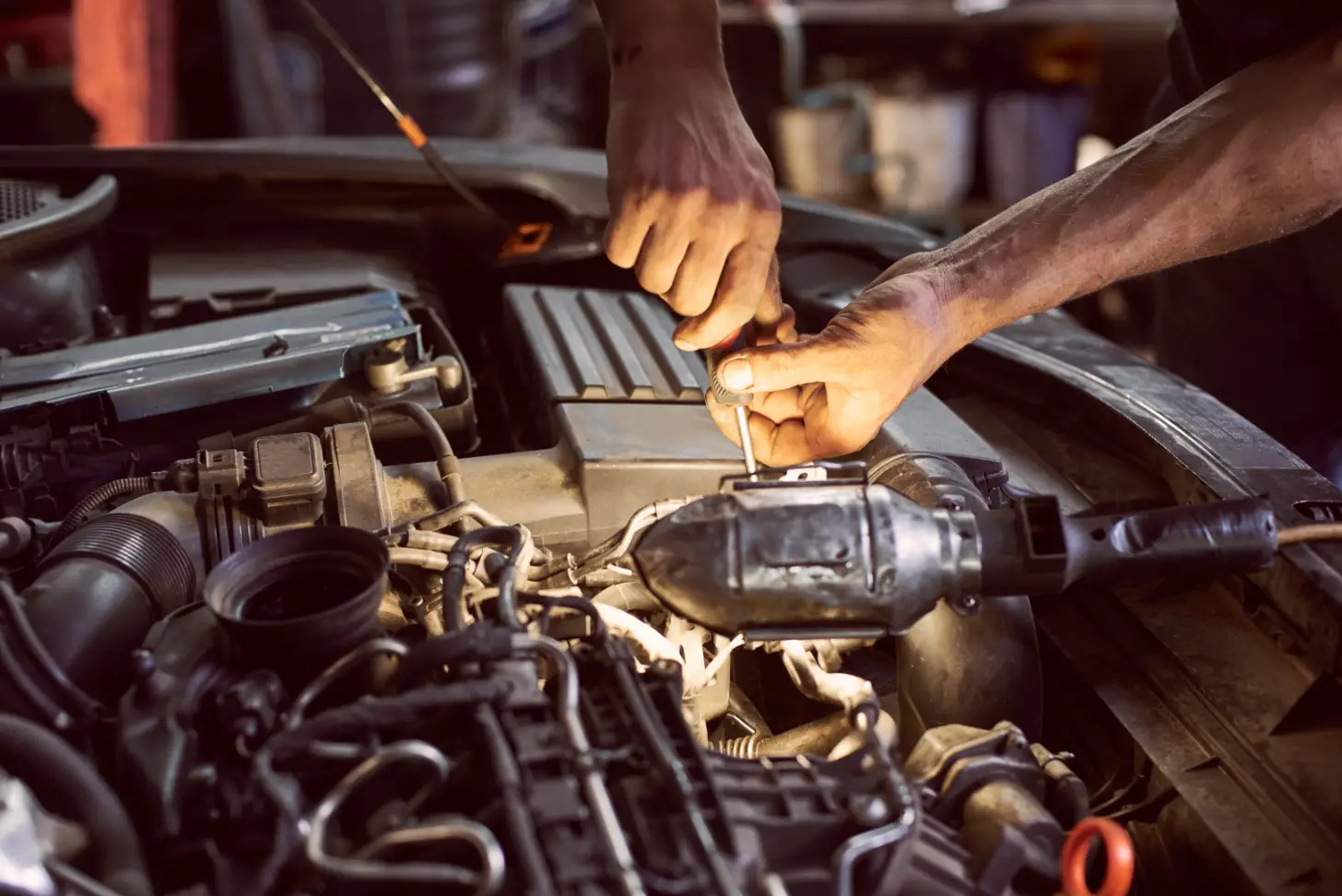
A tractor can look ready in the yard and still have a defect waiting to cause trouble once it reaches US 52. Add a loaded trailer, August heat, repeated industrial stops, and highway speeds, and that small problem can get expensive fast.
The issue is often an incomplete pre-trip inspection, not a defect that was impossible to see. A consistent walk-around helps you catch problems before your freight leaves Moncks Corner and commits to a Berkeley County run.
Why Does a Pre-Trip Inspection Matter Before a Berkeley County Freight Run?
Berkeley County freight operations routinely move between manufacturing facilities, warehouses, distribution sites, and regional highway connections. Trucks leaving Moncks Corner may spend part of the day on US 52 before connecting with the I-26 corridor and the greater Charleston market.
That means your inspection needs to account for both yard operation and sustained highway travel. Repeated turns, stops, trailer swaps, loading activity, and highway speeds can expose weaknesses that were easier to correct before departure.
South Carolina's commercial vehicle rules also put responsibility on drivers and carriers to ensure required vehicle components are in proper working condition. The South Carolina State Transport Police enforce commercial motor vehicle requirements on highways and interstates throughout the state.
A proper inspection also supports the fleet's larger preventive maintenance program. Heavy trucks operate under demanding conditions, and systematic inspection and servicing can identify problems before they develop into breakdowns or major repairs.
What Are the Six Most Common Pre-Trip Inspection Errors?
For Class 8 tractors, semi-trailers, dry vans, and other freight vehicles, six mistakes deserve particular attention:
- Rushing the commercial truck tire inspection
- Giving the air brake system only a casual check
- Ignoring lights, reflectors, and electrical connections
- Missing cargo securement problems
- Skipping emergency equipment
- Finding a defect but dispatching the truck anyway
None requires turning the driver into a technician. The goal is to recognize visible or functional warning signs and report anything that needs qualified repair.
Why Is Rushing the Commercial Truck Tire Inspection a Mistake?
A quick glance at the tread isn't enough on a loaded tractor-trailer. Check tires for visible cuts, bulges, abnormal wear, inflation concerns, damaged areas, and objects that may be trapped between dual tires.
Pay attention to both tractor and trailer tires. Uneven wear or an obviously compromised tire can become much more consequential once you're hauling freight at highway speed.
August conditions around Moncks Corner add another reason to take your time. High temperatures, heavy loads, and sustained operation increase the importance of starting the trip with tires in serviceable condition.
What Should Drivers Check on the Air Brake System?
Heavy-duty trucks commonly use compressed-air braking systems rather than the hydraulic systems found on most passenger vehicles. Air compressors, tanks, air lines, service chambers, slack adjusters, S-cams, brake shoes, and drums work together to slow the truck.
During your DOT inspection preparation, watch for obvious leaks, abnormal air-system behaviour, warning indicators, and visible brake problems where components can safely be inspected. Functional checks should also reveal whether the system responds as expected before the truck enters traffic.
Don't dismiss a minor-looking leak or unusual warning because the truck still moves. Braking problems demand attention before a loaded commercial vehicle begins its route.
Why Should Lights and Electrical Connections Be Checked After Every Trailer Swap?
Freight fleets frequently pair tractors and trailers in busy yards. Every connection creates another opportunity for a damaged plug, poor connection, failed lamp, or trailer-lighting problem to slip through unnoticed.
Check headlights, marker lamps, brake lights, turn signals, trailer lights, reflectors, and required conspicuity equipment. Make sure connections are secure rather than assuming yesterday's trailer behaved the same way as today's.
This matters even more during summer thunderstorms. Heavy rain can cut visibility quickly around Berkeley County, so working lights and visibility equipment aren't details you want to discover are faulty after leaving the yard.
Why Does Cargo Securement Deserve More Attention During a Pre-Trip?
Freight changes the inspection equation. A tractor and trailer can be mechanically sound while an improperly secured load still creates a serious safety problem.
Drivers subject to applicable securement rules need to inspect cargo and its securement before operation. Depending on the type of load and applicable exceptions, another inspection may also be required within the first 50 miles of the trip.
In other words, the pre-trip doesn't always end when you roll out of a Moncks Corner yard.
Check the equipment appropriate to the freight you're carrying and look for movement, looseness, damage, or anything else that could affect securement. When a reinspection applies, build it into the route instead of treating it as an inconvenience after departure.
What Emergency Equipment Should Be Part of the Walk-Around?
Drivers sometimes treat the pre-trip as a mechanical inspection and forget what's stored inside the truck. Required emergency equipment deserves its own place on your routine.
Confirm that required warning equipment and fire-extinguishing equipment are present, accessible, and ready for use. Missing equipment may not change how the truck drives out of the yard, but it matters the moment something goes wrong on US 52 or I-26.
A few extra seconds spent checking safety equipment can prevent a frustrating discovery on the shoulder.
Why Is Dispatching With a Known Defect One of the Worst Inspection Mistakes?
Spotting a defect accomplishes very little if nobody acts on it.
If you identify a safety-related problem, document and report it through your fleet's established process. The truck should receive the appropriate evaluation or repair before it is dispatched when the defect makes operation unsafe or noncompliant.
That connection between driver inspection and fleet maintenance is important. Preventive maintenance works because fleets identify and address developing problems before they become roadside failures.
For a truck hauling between Berkeley County industrial facilities and regional highway connections, fixing a problem in the yard is usually far less disruptive than dealing with it after the truck is loaded and miles into its route.
How Can August Conditions Affect DOT Inspection Preparation?
August heat and humidity don't automatically create inspection violations, but they can make existing weaknesses harder to ignore.
Watch closely for tire deterioration, fluid leaks, air leaks, and visibly damaged belts or hoses where applicable. A component that appears marginal during a morning walk-around may face much tougher conditions during a loaded afternoon run.
Wet-weather readiness also matters. Make sure tires, wipers, lighting, and visibility-related equipment are ready for the thunderstorms that can accompany hot, humid conditions in the Lowcountry.
What Is the Best Way to Avoid Commercial Vehicle Inspection Problems?
Consistency beats speed. Use the same organized inspection sequence every time, whether you're taking a familiar dry van across town or preparing a Class 8 tractor for a regional haul.
Don't let dispatch pressure convince you to skip tires, brakes, lighting, securement, or emergency equipment. A disciplined driver vehicle inspection gives your maintenance team better information and gives you a better chance of finding trouble while the truck is still somewhere it can be repaired efficiently.
Schedule DOT Inspection and Heavy-Duty Truck Service in Moncks Corner
The most preventable pre-trip inspection errors usually come from rushing, assuming, or failing to act on a problem you've already found. Check tires carefully, verify brake operation, test lights, inspect cargo securement, confirm emergency equipment, and report defects before departure.
For Berkeley County fleets, that routine can mean the difference between leaving Moncks Corner ready for the haul and losing valuable time along US 52 or the I-26 corridor.
If your inspection uncovers a problem that needs professional attention, our team at Legacy Road Service can help you address heavy-duty truck and trailer issues before they become roadside downtime. Just give us a call at (843) 761-3341 or vist out Contact Page.
Frequently Asked Questions About Pre-Trip Inspections
What should a truck driver check during a pre-trip inspection?
A driver should inspect safety-critical areas such as tires, brakes, lights, electrical connections, cargo securement, and required emergency equipment. Drivers should also report defects that could affect safe or compliant operation before the truck is dispatched.
Should cargo securement be checked again after leaving the yard?
In applicable freight operations, yes. Cargo and securement rules can require another inspection within the first 50 miles after starting a trip, although exceptions apply to certain sealed loads and loads where inspection is impracticable.
Can a driver operate a truck after finding a defect?
It depends on the defect, but safety-related problems should never be ignored simply because the vehicle still runs. Drivers should report defects through the fleet's established process and make sure issues affecting safe operation are addressed before dispatch.
Why are tire inspections especially important for Class 8 trucks?
Class 8 tractors and trailers operate under significant loads and spend extended periods at highway speeds. Damage, abnormal wear, inflation problems, or issues between dual tires can become far more consequential under loaded operation.
Who enforces commercial vehicle regulations in South Carolina?
The South Carolina State Transport Police are a principal commercial motor vehicle enforcement agency in the state and enforce applicable federal regulations and South Carolina laws governing commercial vehicles.